
Sandblasting Room Installed at Major Ship Repair Yard in Ningbo
Explore a major marine sandblasting project in Ningbo featuring a large-scale, fully enclosed facility. Commissioned in January 2025, this system successfully replaced open-air blasting to achieve full environmental compliance. Key outcomes include improved surface preparation consistency and a 30% reduction in blasting time.
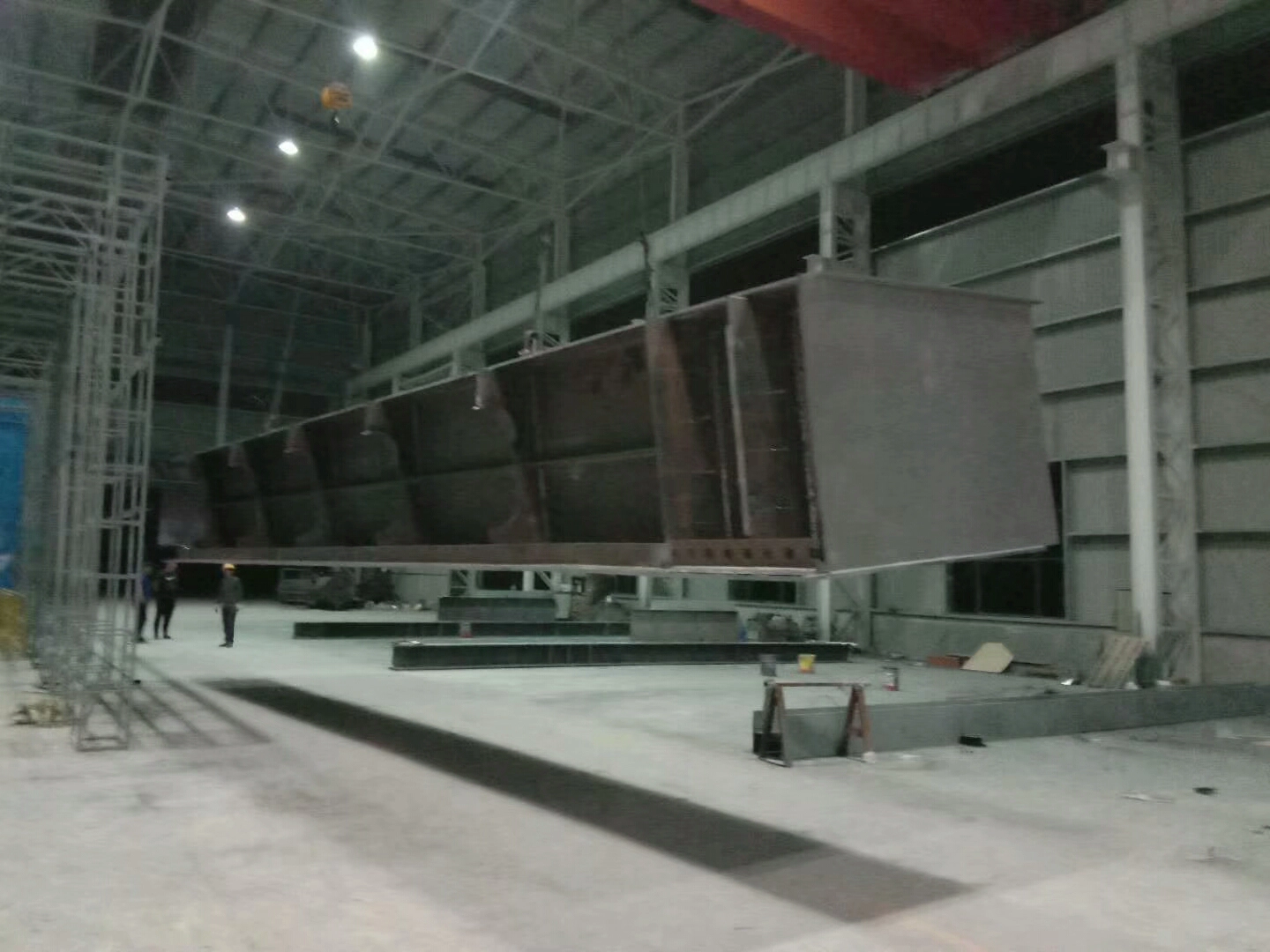
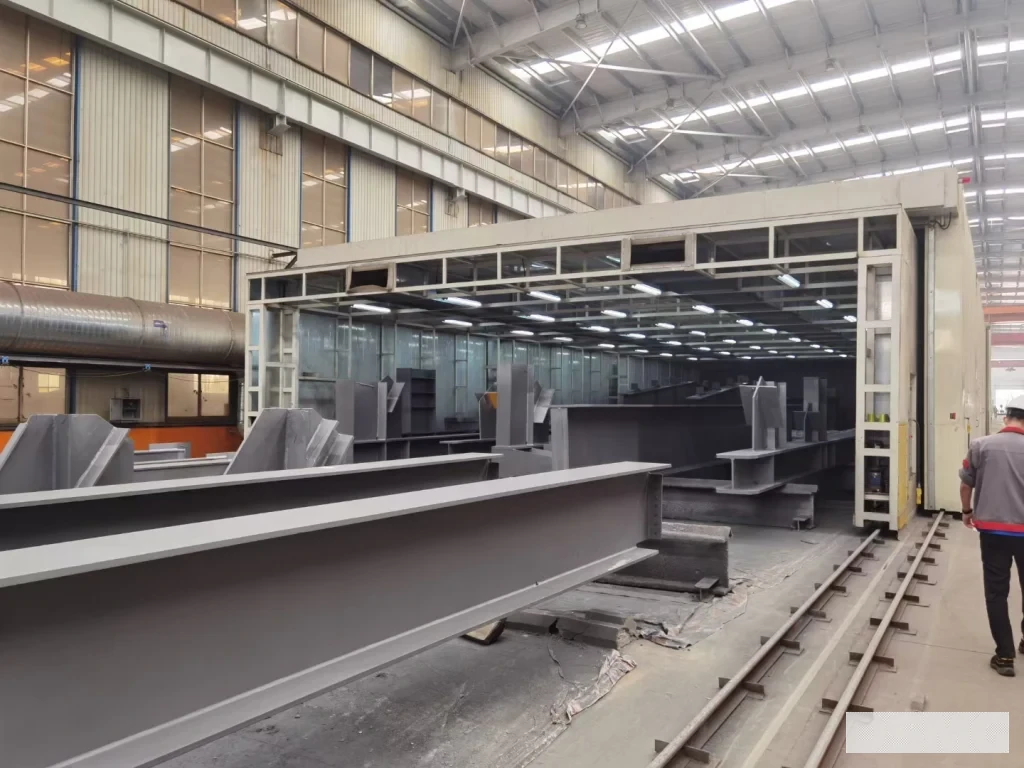
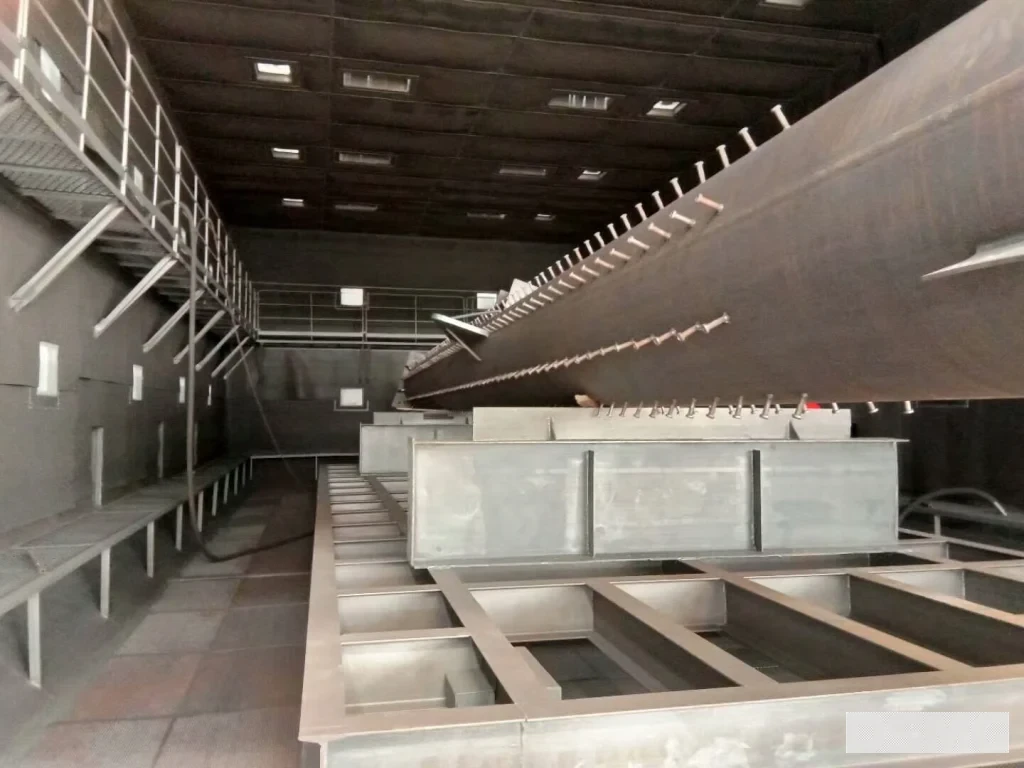
Ningbo, one of the world’s busiest maritime hubs, is home to numerous ship repair and maintenance facilities. In this highly competitive market, the ability to deliver fast turnaround times without compromising on quality and safety is paramount. This case study details the installation of a large-scale sandblasting room at a major ship repair yard located in Ningbo.
The customer operates three floating docks and can accommodate vessels up to 300,000 DWT. With the increasing enforcement of environmental regulations, the yard faced mounting pressure to eliminate open-air abrasive blasting, which generates significant dust pollution and poses risks to both workers and the surrounding marine environment. The decision was made to invest in a fully enclosed sandblasting room capable of handling large ship hull sections and prefabricated steel components.
Project Details
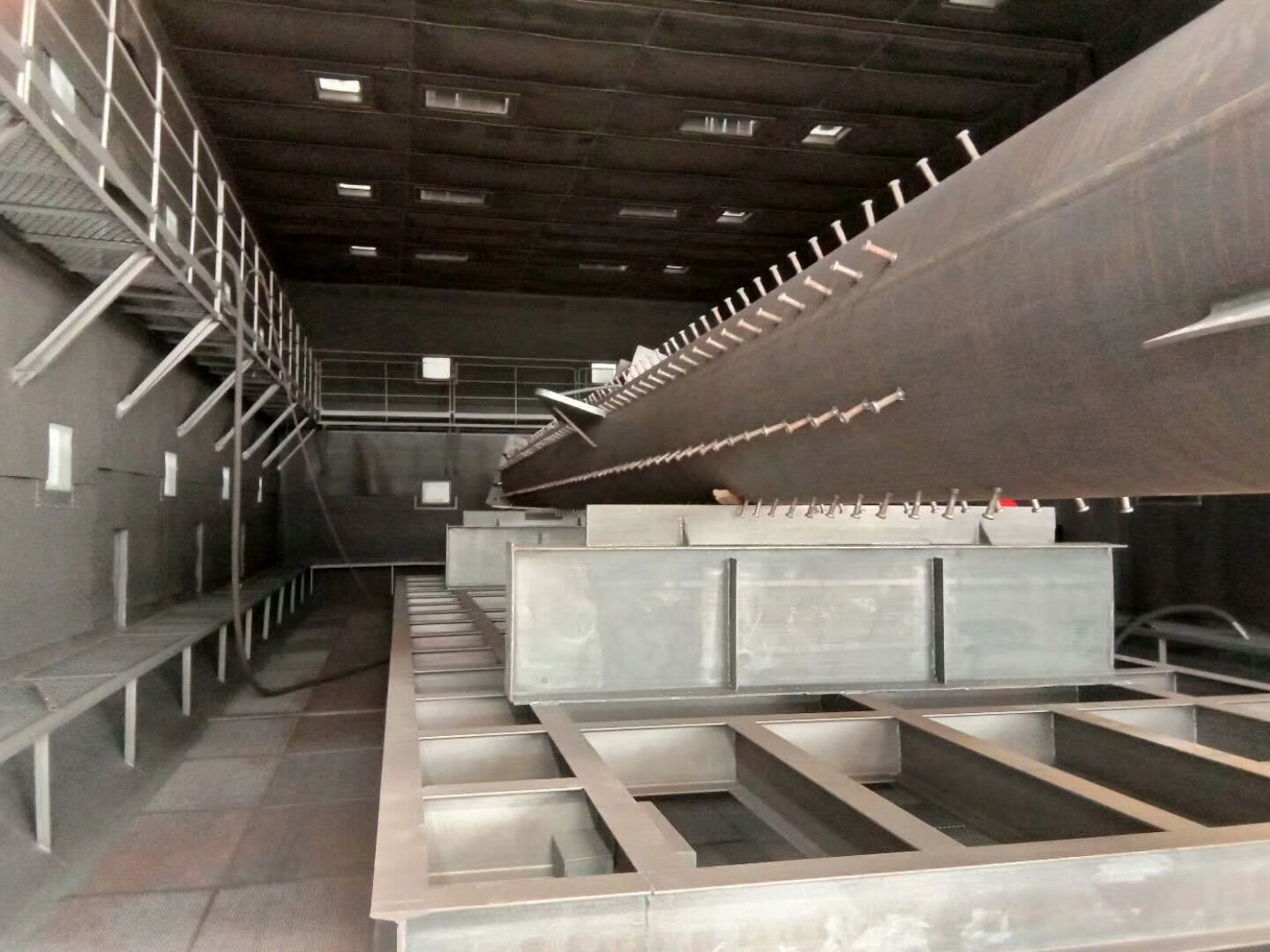
The sandblasting room is one of the largest installations of its kind in China, measuring 55 metres in length, 25 metres in width, and 12 metres in height. The structure is designed to withstand the corrosive marine environment, with all exterior panels made of marine-grade aluminium and all structural steel components hot-dip galvanised and coated with a three-coat marine epoxy paint system.
Inside the room, a 20-tonne overhead travelling crane spans the full width, allowing ship hull sections weighing up to 15 tonnes to be lifted and positioned with precision. The crane is equipped with a remote control system, enabling the operator to manipulate the workpiece from within the blasting area. The floor of the room is reinforced with 20 mm thick steel plates to withstand the impact of heavy components and the constant abrasion from steel grit.
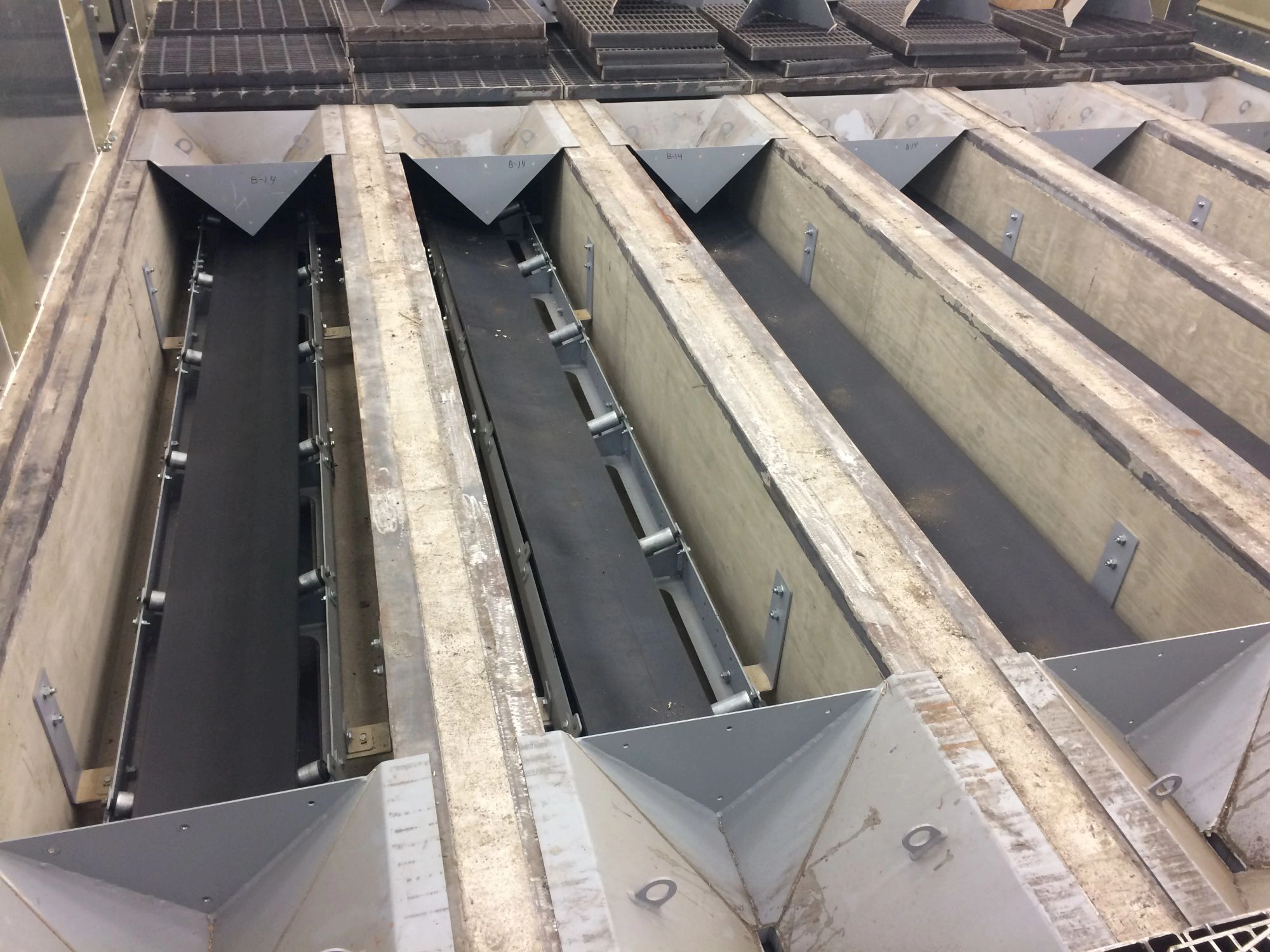
The abrasive recovery and cleaning system is engineered for high-volume operation. A network of 12 screw conveyors embedded in the floor collects the spent abrasive and conveys it to a central elevator. From there, the abrasive passes through a rotary drum screen, a magnetic separator, and an air-wash separator before being returned to two 8-tonne storage hoppers. The system can handle up to 30 tonnes of abrasive per hour, ensuring continuous operation even during the most demanding blasting campaigns.
Six pressure blast pots, each with a 2 cubic metre capacity, supply abrasive to 12 blasting stations. The room is designed to accommodate up to 6 operators working simultaneously, each equipped with a remote-controlled deadman switch, a climate-controlled blasting helmet, and a supplied-air system delivering Grade D breathing air as per OSHA standards. The entire operation is monitored by a centralised SCADA system that tracks abrasive consumption, filter pressure drops, and air quality parameters in real time.
The dust extraction system is arguably the most impressive component of the installation. A dual-stage filtration system, consisting of a cyclone pre-separator and a pulse-jet baghouse dust collector with 1,200 square metres of filtration area, is powered by two 75 kW centrifugal fans operating in parallel. This configuration achieves a total air volume of 120,000 cubic metres per hour, ensuring complete air exchange inside the room every 90 seconds. The exhaust air meets the stringent standards set by the Singapore National Environment Agency (NEA).
The sandblasting room was commissioned in January 2025 and has since processed over 200 ship hull sections, ranging from bulk carrier side shells to tanker bottom plates. The yard reports that the enclosed blasting environment has not only improved the quality and consistency of surface preparation but has also reduced blasting time by approximately 30 percent compared to the previous open-air method. The environmental compliance issues that previously plagued the yard have been entirely eliminated.
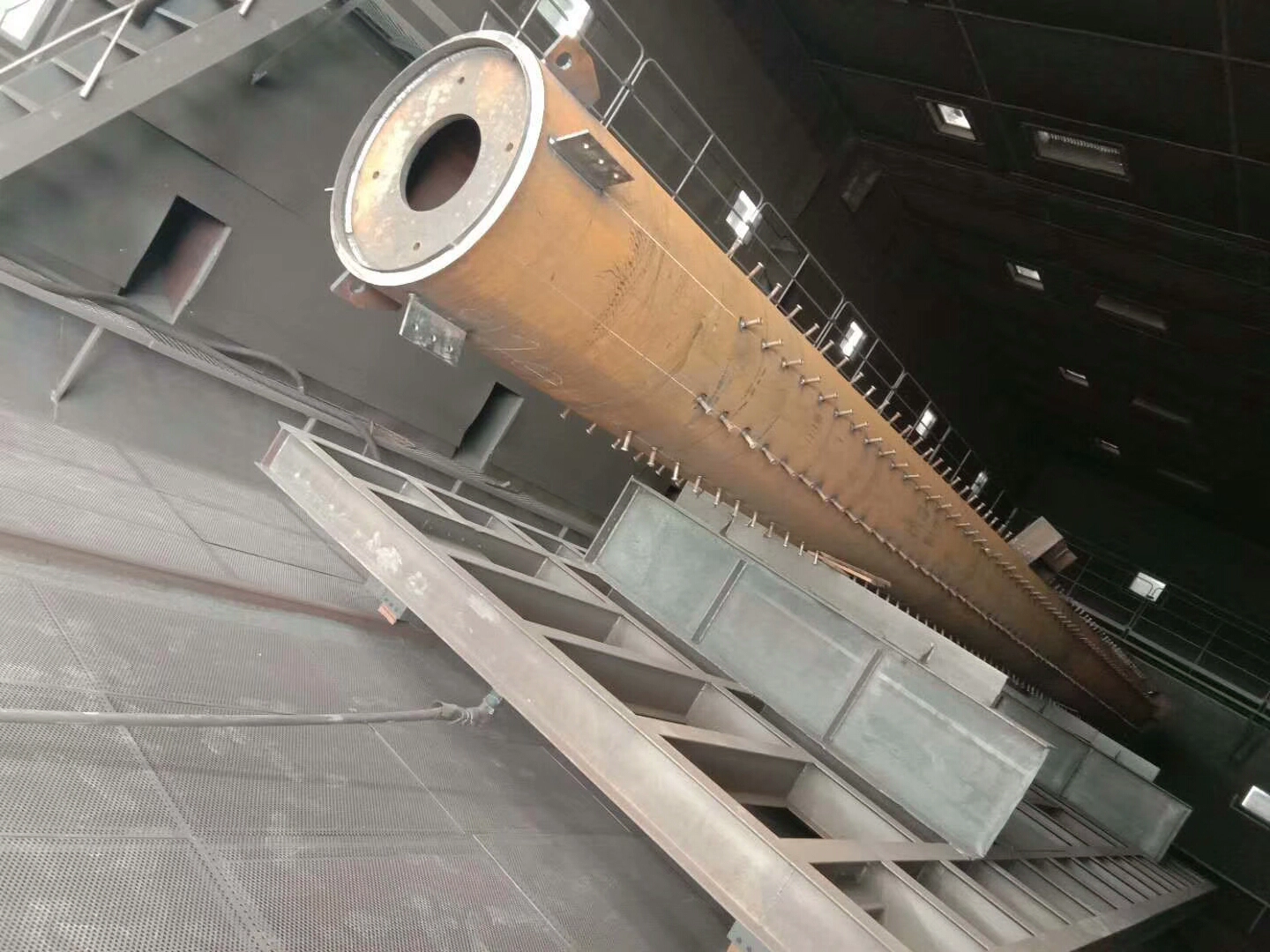
Need advice?
Need advice? Call or WhatsApp us, and you’ll get a reply within 5 minutes!
- (86)-0532-88136558
- (86)13589238091
- disa@disachina.com