Leave your details below and one of our specialists will be in touch as soon as possible.
Steel pipe shot blasting machine
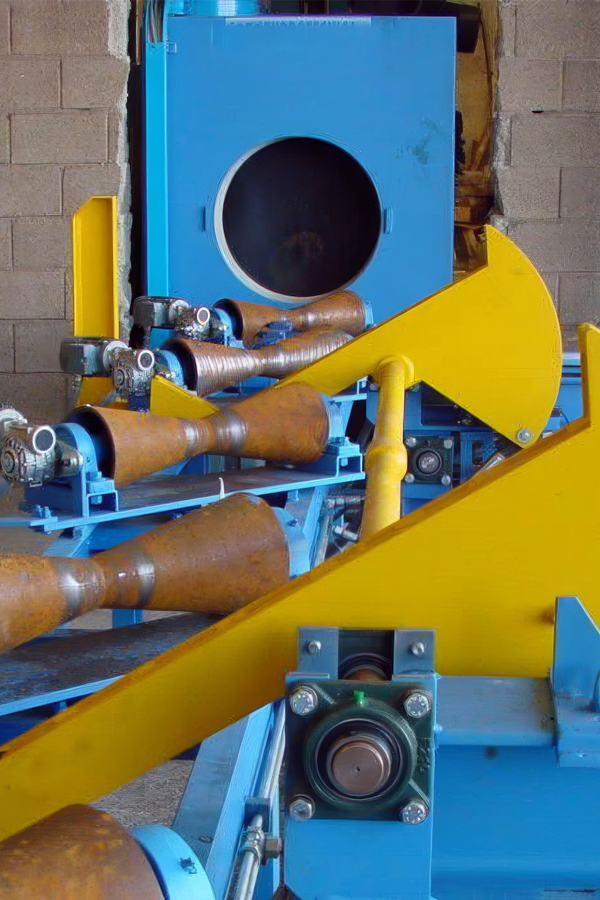
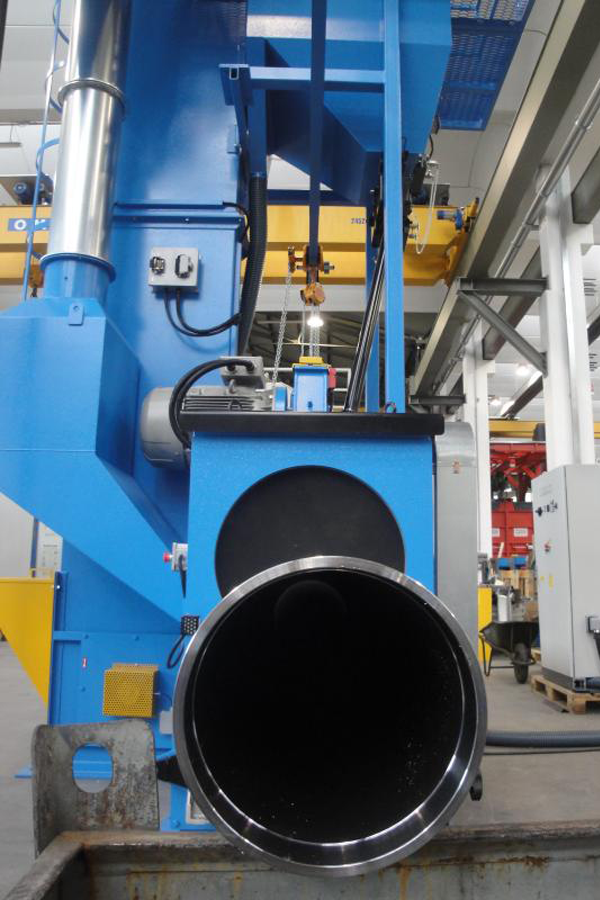
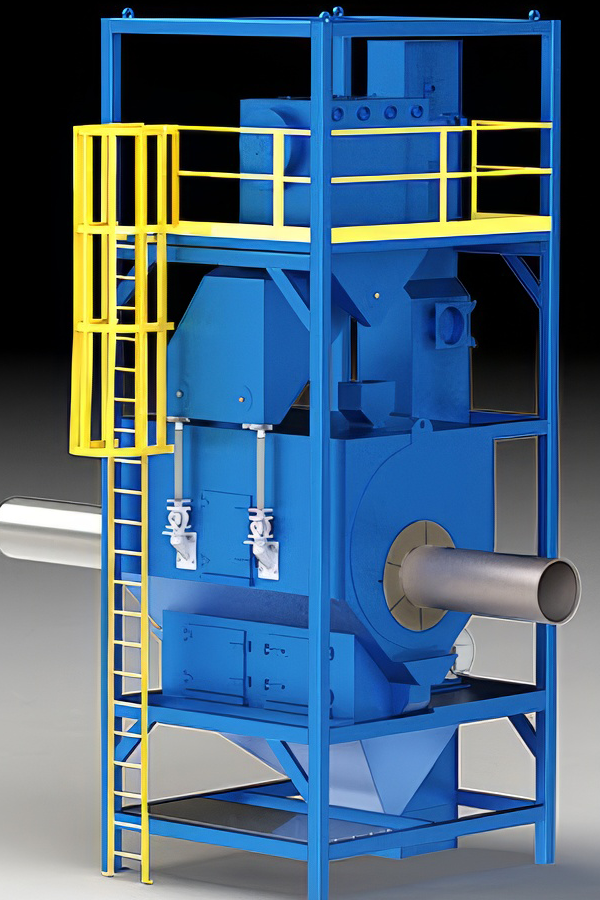
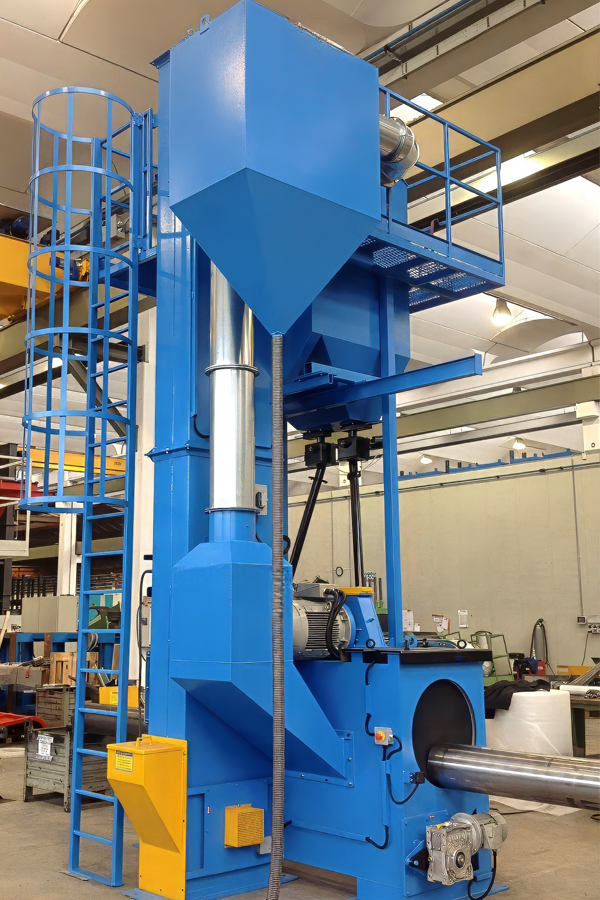
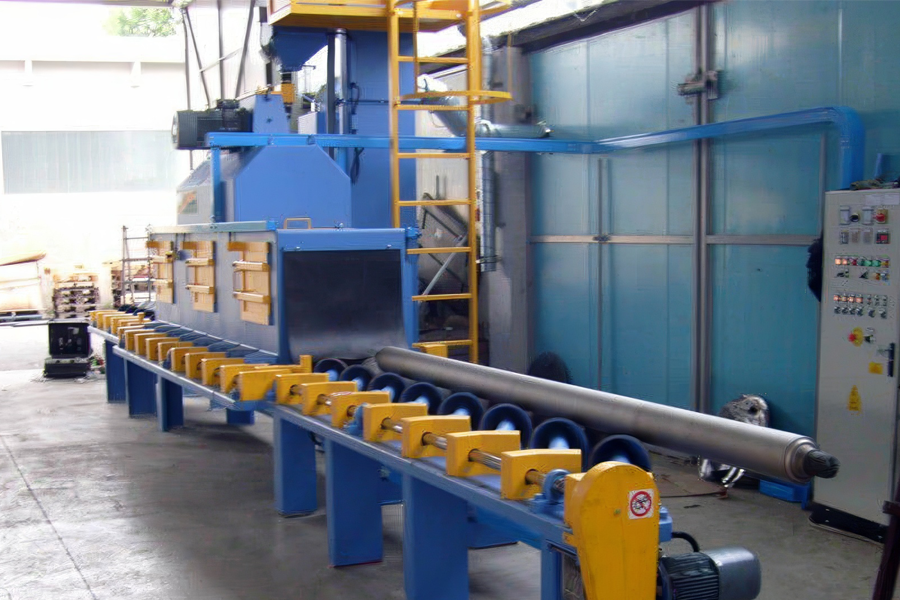
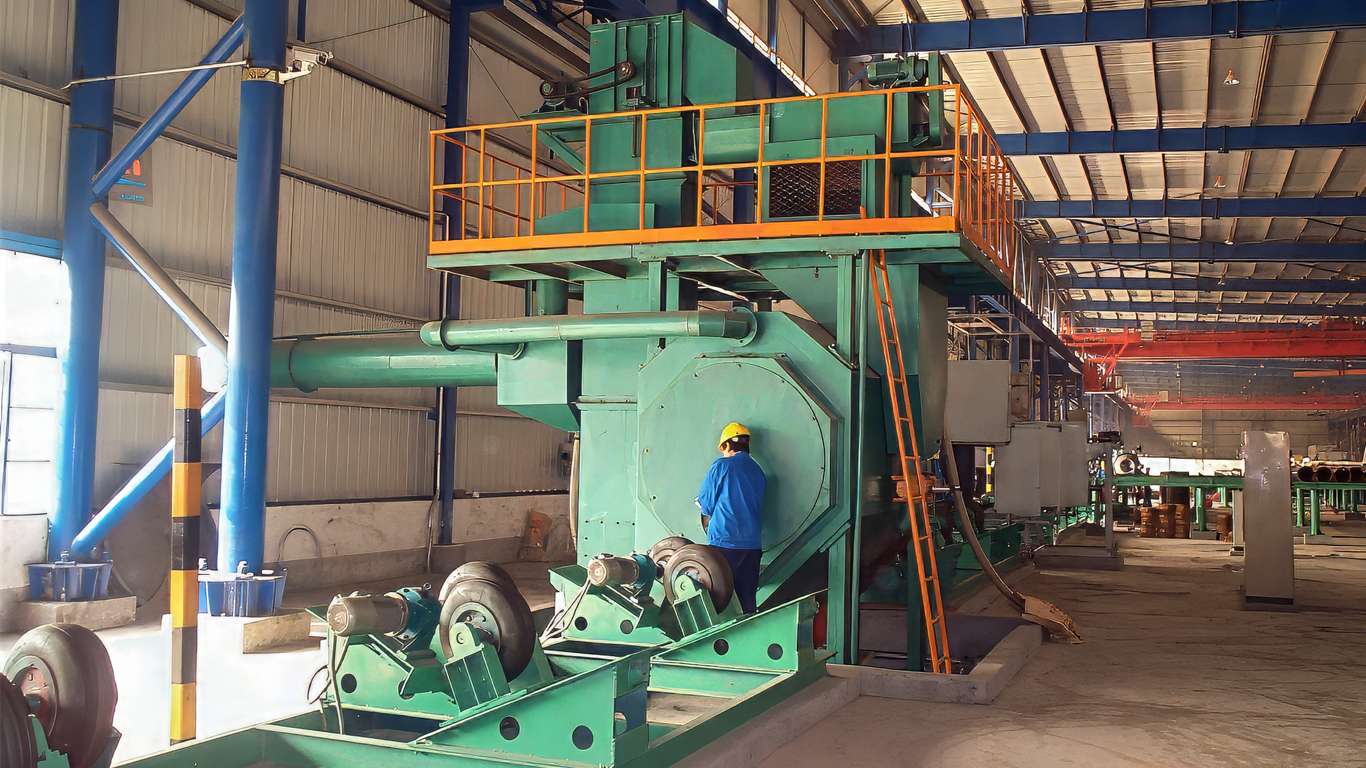
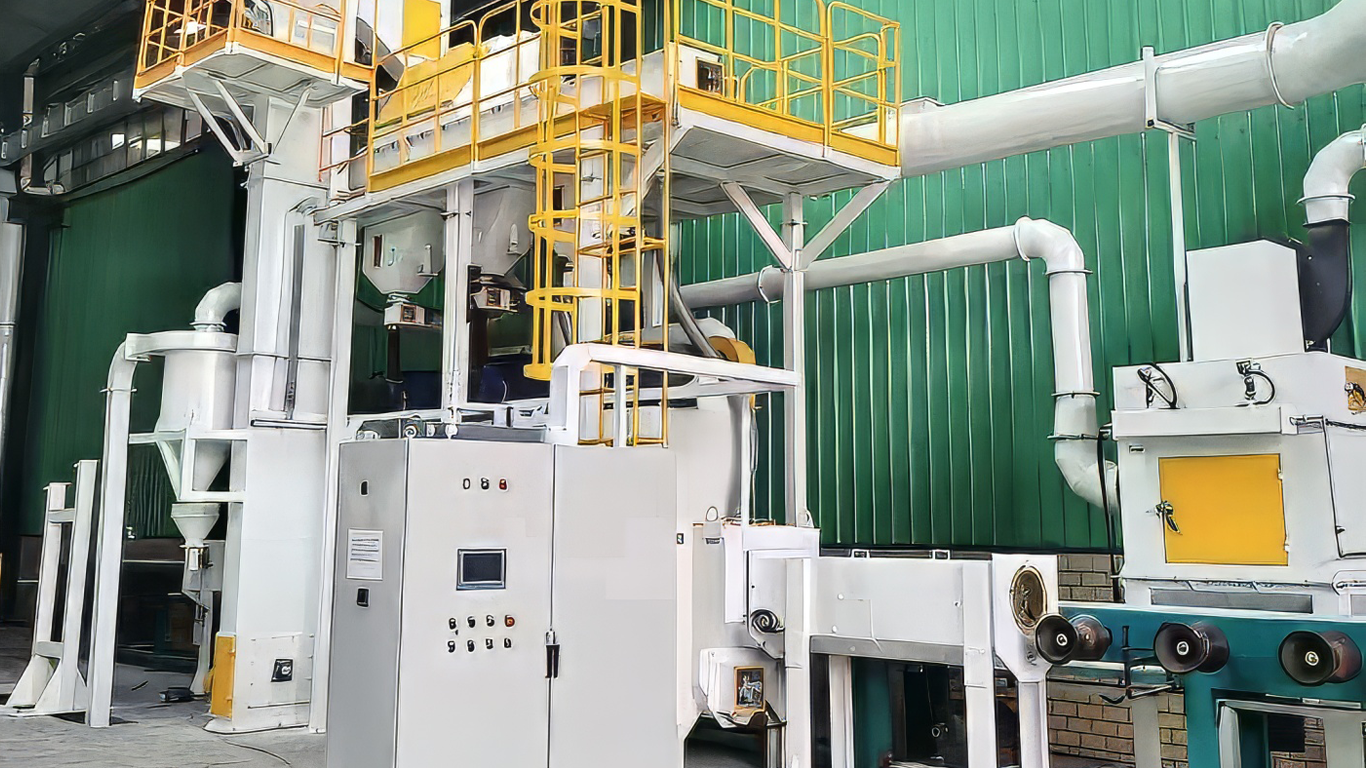
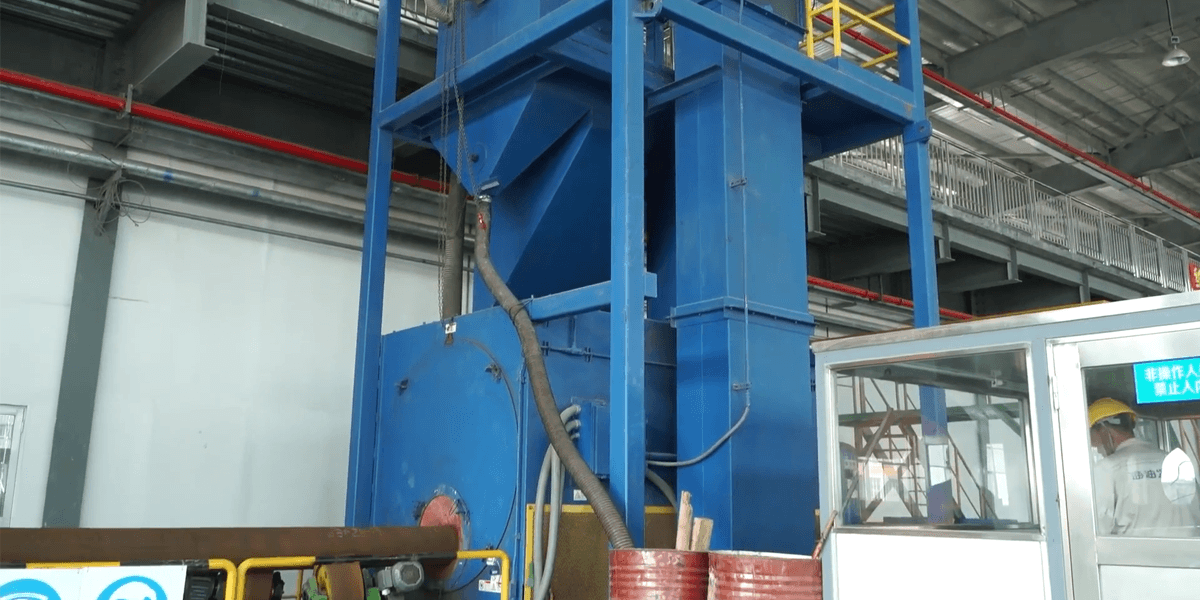
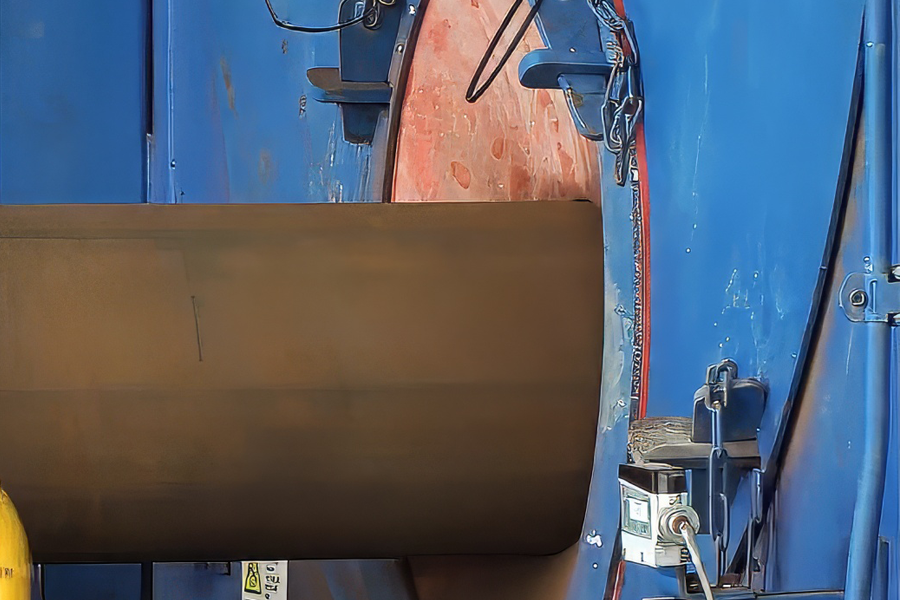
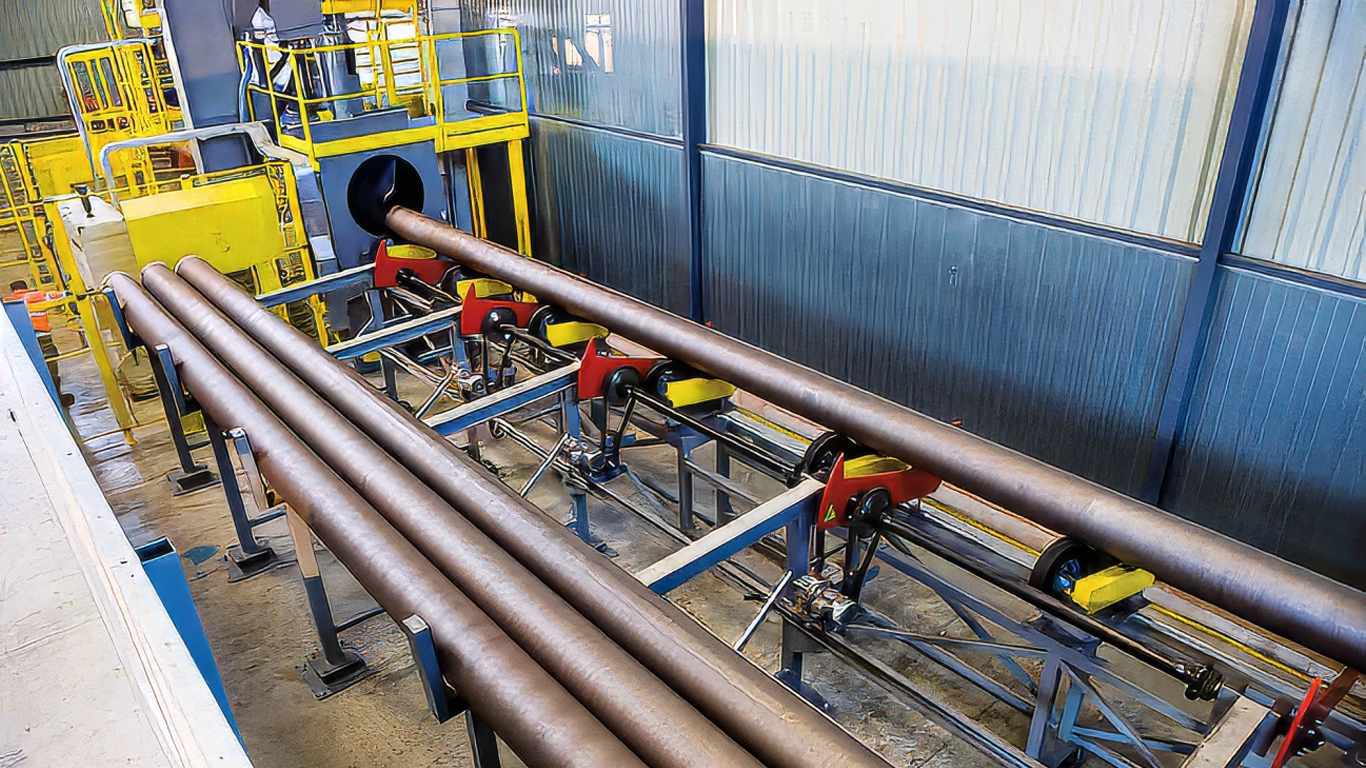
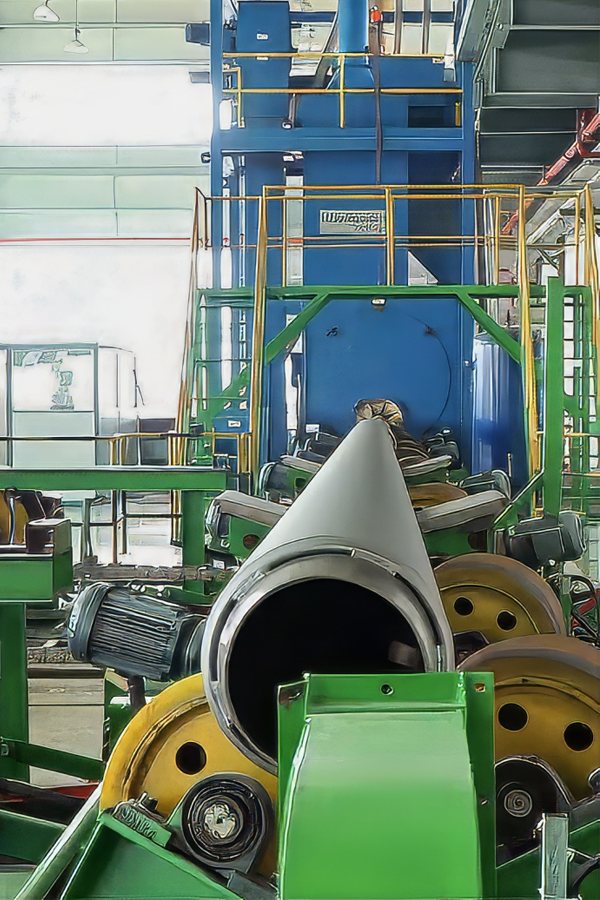
Steel pipe shot blasting machines are primarily used in mining and oil fields for anti-corrosion pre-treatment of transmission pipes. Pipes are conveyed through the machine via a specialized external spiral roller system. DISA supplies high-capacity blasting chambers suitable for mass production, handling pipe diameters from 2 to 144 inches with adjustable cleaning speeds.
Startup and Operation Procedure:
System Startup: Sequentially activate the following components in order: the dust collection system, separator, elevator, horizontal and vertical screw conveyors, roller table, and finally the shot blasting machine. Wait until the system reaches normal operating status. Loading: Place the workpiece on the external roller table. The conveyor system will automatically transport it into the blasting chamber. Blasting Process: Once the workpiece is positioned inside the chamber, open the shot supply valve to initiate the cleaning cycle. Unloading: Upon completion of the cleaning process, close the shot supply valve. The roller table will then convey the treated workpiece out of the chamber.
Wire mesh belt
Wire mesh turbine blast
shot blast wheel
shot blasting chamber
Recovery with Silo
Control Cabinet
Advantages:
1.Custom Design: Built for specific applications, ensuring continuous, reliable, and efficient production. 2.High Efficiency: Features powerful shot blasters with a user-friendly design for easy maintenance. 3.Durable Structure: Welded steel chamber construction guarantees longevity and structural integrity. 4.Wear Resistance: Specialized high-wear materials used for blasters and liners minimize replacement costs. 5.PLC Automation: Full automatic control with shot flow regulation and comprehensive fault diagnostics. 6.Environmental Compliance: Pulse-jet dust collection system meets all national emission standards.
Working Principle of the Steel Pipe Shot Blasting Machine:
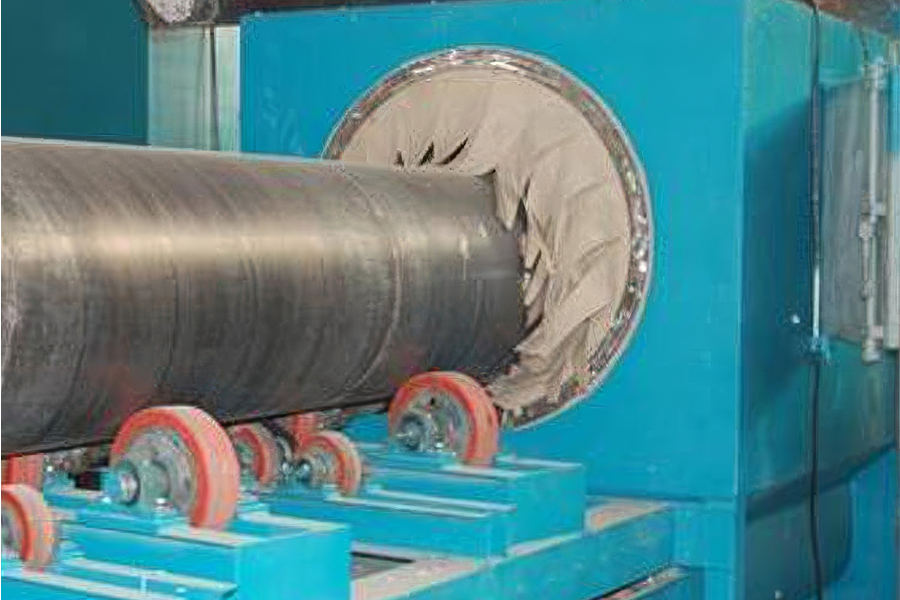
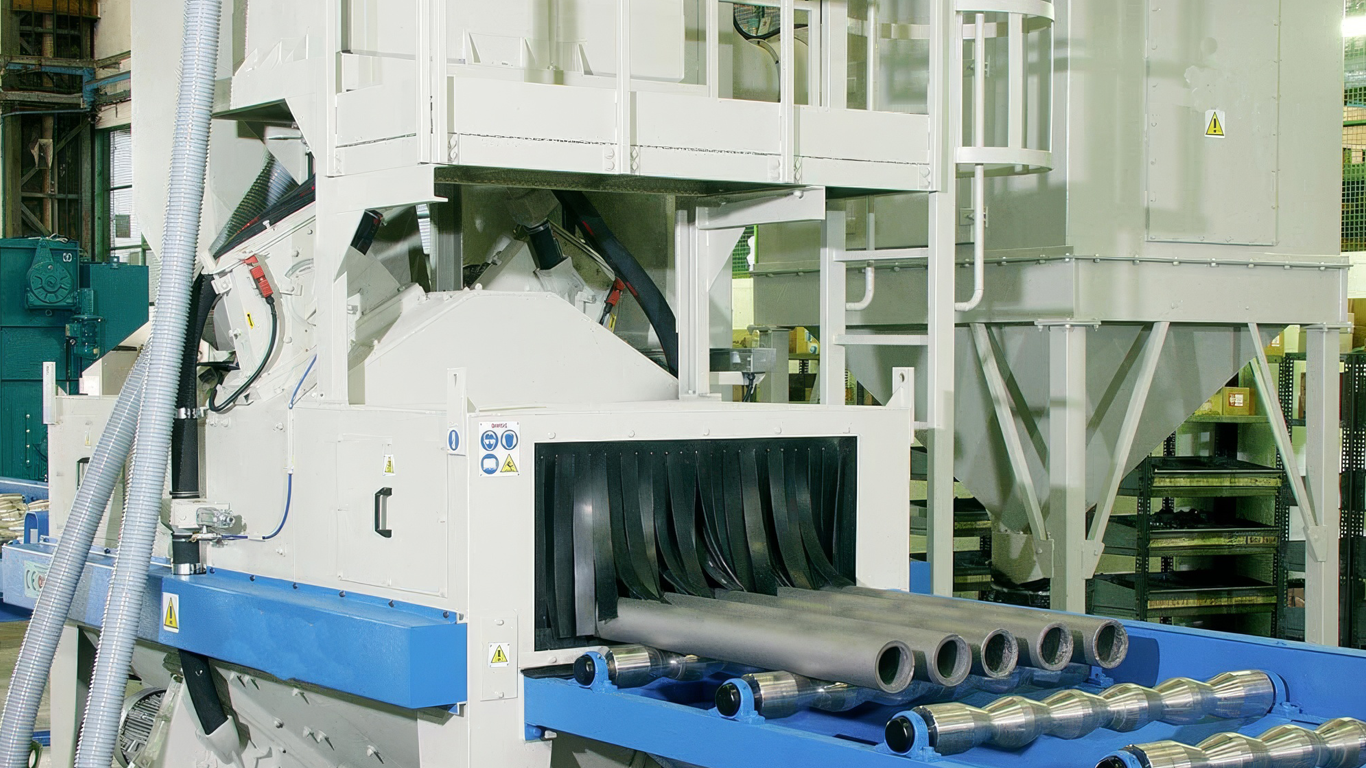
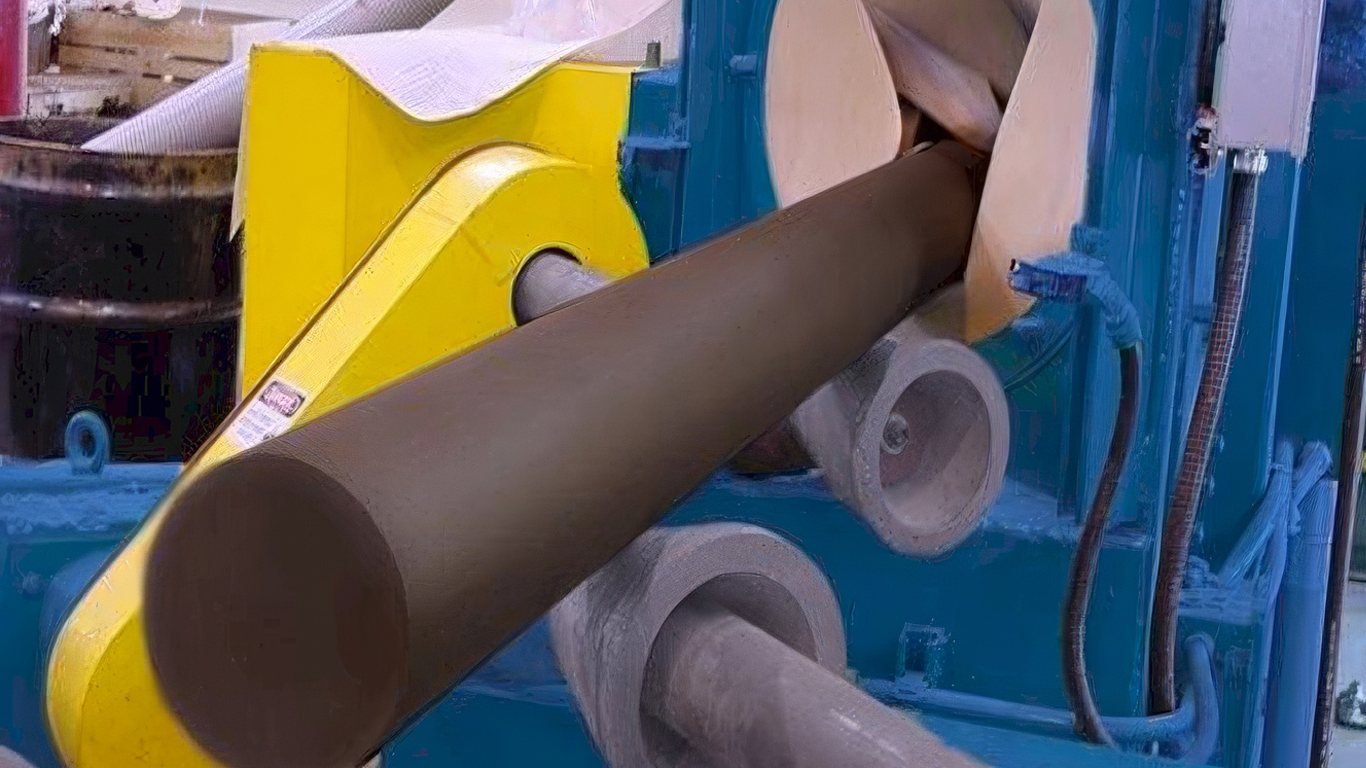
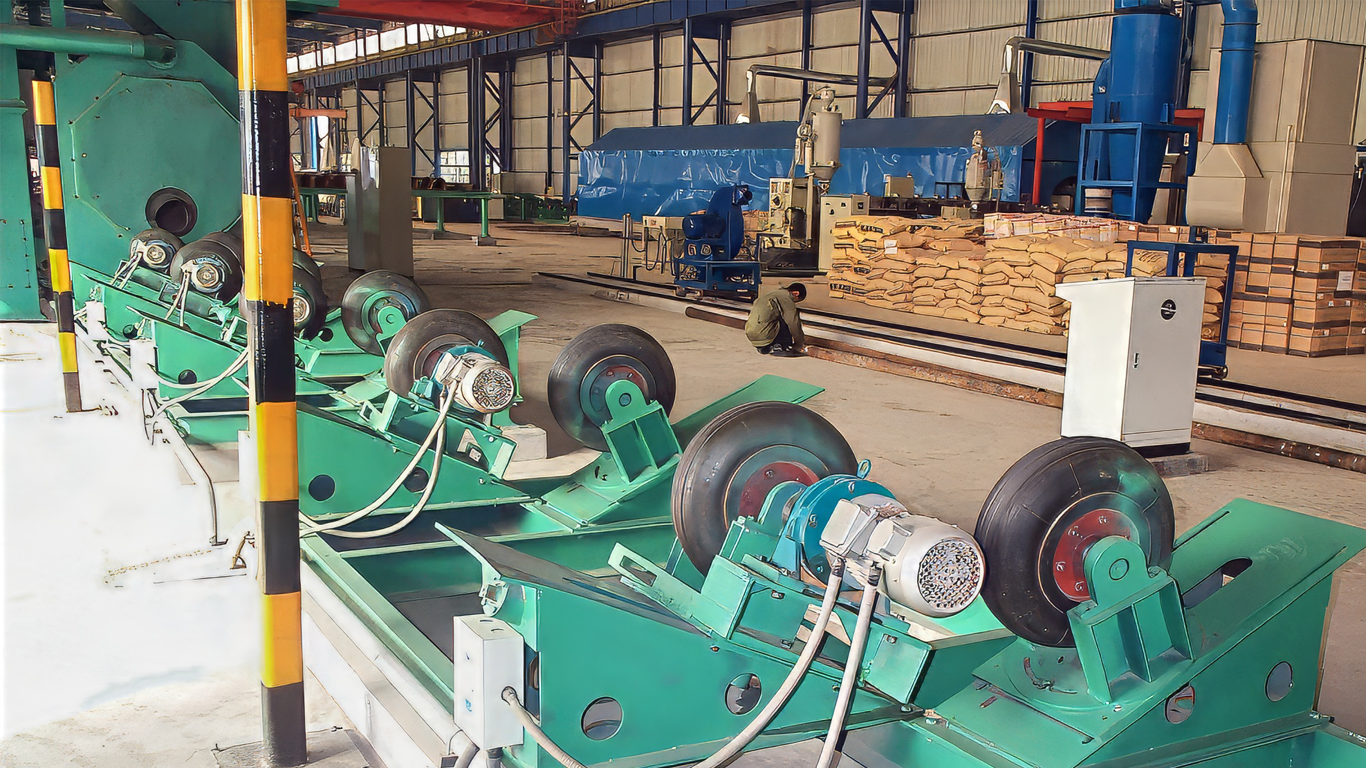
1. Operational Workflow The process begins by securely loading the workpiece onto the variable-pitch conveyor system. Entry and exit speeds are precisely regulated via a frequency-controlled drive unit. As the pipe advances, it passes through a blasting chamber equipped with top and bottom turbine blast wheels. This dual-position arrangement ensures 360° coverage, allowing the pipe to be thoroughly cleaned in a single pass without rotation. 2. Abrasive Recycling & Separation Used abrasive mixed with dust is lifted by a bucket elevator to the air-wash separator. Here, a screening system removes dust and debris, ensuring only clean, reusable steel shots are returned to the blast wheels for recirculation. The entire dust collection system utilizes high-efficiency fabric filter bags to capture fine particulates, ensuring environmental compliance. 3. Mechanical Structure & Adaptability Blast Wheel Configuration: Blast wheels are strategically mounted above and below the pipe. This fixed-distance design accommodates a wide range of pipe diameters with minimal adjustment. Sealing System: Replaceable rubber seals at the inlet and outlet are customized to match specific pipe sizes, effectively preventing abrasive leakage. Conveyor System: The machine features heavy-duty, variable-pitch “Diablo-style” conveyors consisting of directly driven, angled rubber tires. These tires can be manually or hydraulically adjusted (optional) to center pipes of varying diameters. The conveyor speed is controlled by a VFD (Variable Frequency Drive) to achieve the required throughput. Load Capacity: Designed for heavy-duty applications, the standard conveyor supports loads up to 750 kg/m, with higher capacity options available. 4. Control & Safety The entire system is managed by a PLC control unit featuring a comprehensive interlock safety system. Once the cleaning cycle is complete, the treated workpiece is safely discharged, ready for subsequent processing stages.
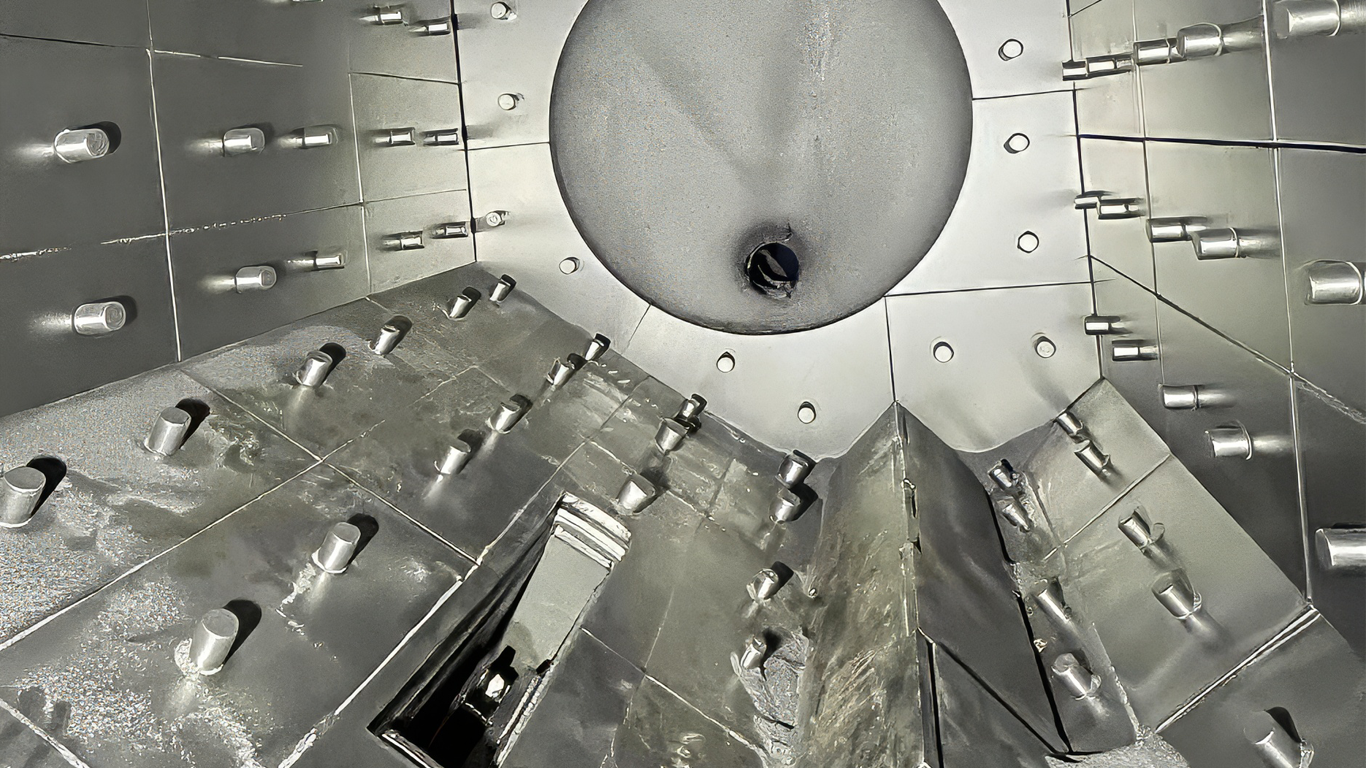
Interior view
Example 1:Xinan Technology
DISA has custom-designed and delivered a high-performance mesh belt shot blasting machine for Xinan Technology, specifically engineered to address the surface treatment challenges of precision aluminum and ferrous alloy castings, including flat, thin-walled, and fragile components. Operating in a continuous straight-through mode, the system integrates automatic loading, unloading, and discharge conveyors, all orchestrated by an advanced PLC with part memory functionality to ensure a seamless and orderly production flow. The core of the system is a robust metal mesh belt crafted from high-strength, wear-resistant manganese steel. This design ensures that workpieces remain isolated during transit through the blast chamber, effectively preventing collision damage or deformation of delicate parts. High-efficiency blast turbines are strategically positioned both above and below the conveyor, delivering synchronous, all-around coverage that completes deburring, cleaning, descaling, deflashing, and etching in a single pass, thereby significantly enhancing manufacturing consistency and throughput. The machine features a comprehensive abrasive recovery and purification loop: spent media is collected at the base, conveyed via screw conveyor and elevator to a top-mounted air-wash separator, where clean abrasive is recycled to the storage hopper while dust and contaminants are diverted to a separate silo for disposal. Constructed with replaceable high-wear liners in critical zones, the unit comes pre-wired with centralized dust extraction ports, with an optional integrated dry cartridge dust collector available. This turnkey solution enables seamless integration into Xinan Technology’s automated production line, eliminating intermediate storage, minimizing logistics distances, and reducing both manual intervention and operating costs to achieve high-quality, cost-effective continuous manufacturing.
Example 2:Nemark India PVT Ltd
Recently, Disa successfully commissioned a customized mesh belt shot blasting machine for a global 500 automotive components manufacturer. Confronted with critical challenges—including an extremely compact installation footprint, the demand for continuous 8-hour high-intensity shift operations, and stringent noise emission limits—DISA engineered a precision solution: a robust mesh belt system equipped with eight high-efficiency blast turbines to guarantee stable, high-volume throughput. The machine features an advanced abrasive recycling loop where media, after impacting the workpieces, is collected in a bottom hopper, conveyed via screw conveyor to a bucket elevator, and lifted to a top silo for air-wash separation; cleaned, reusable abrasive is returned to the overhead storage hopper, while dust and contaminants are efficiently discharged. To address strict environmental noise regulations, Disa enclosed the unit in innovative double-skin composite soundproofing panels. These panels incorporate a high-performance acoustic foam core that effectively absorbs and isolates internal blasting noise, preventing external propagation. The resulting system delivers a compact, low-noise, and highly efficient operation, enabling the client to streamline production workflows while significantly enhancing cycle times, productivity, and overall capacity.
Have a quick look at all of the individual components
Inside the blasting chamber, within the direct working area of the turbines, replaceable wear protection plates are installed to ensure maximum durability and consistent performance. The high-performance turbines are strategically arranged at staggered angles both above and below the conveyor belt, guaranteeing that all surfaces of the workpiece receive uniform impact for thorough cleaning. The wire mesh conveyor belt itself is constructed from wear-resistant steel, designed to withstand the intense abrasive environment while maintaining long service life.
After exiting the blasting chamber, workpieces pass through a blowoff device to remove residual abrasive. The abrasive media circulates continuously via a screw conveyor and bucket elevator to the top-mounted cleaning station. Within a specialized air sifting system, dust and undersized particles are discharged from the cascading media curtain through adjustable airflow, ensuring only usable abrasive returns to the system.